Deep dives into AI models, comparisons, and the latest trends in artificial intelligence
The world of no-code website builders is exploding with promises of speed, simplicity, and power. But with so many options, a critical question arises: what's the catch? Competitors often sell you the dream, but gloss over the real-world trade-offs. When is no-code the perfect solution, and when will you hit a wall? This guide delivers the transparent, honest answers you need. We're pulling back the curtain to give you a clear-eyed view of no-code website builder limitations and disadvantages, balanced with their incredible strengths. Our goal isn't to sell you a tool; it's to empower you to choose the *right* tool. By understanding the true pros and cons, you can confidently decide if a no-code platform like NoCodeWeb.App is the key to your project's success or if a more custom solution is required.
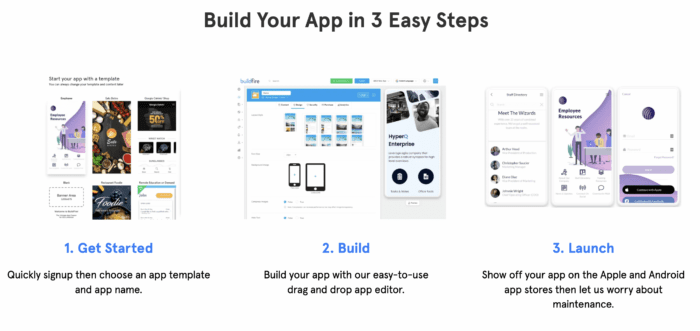
Have you ever had a brilliant idea for an app but felt stopped by one major hurdle: you don't know how to code? You're not alone. For decades, software development was a walled garden, accessible only to those with specialized technical skills. Today, that wall is crumbling thanks to a revolutionary movement: the no-code app builder. But with all the hype, it's easy to get lost. What exactly *is* a no-code builder? Is it really possible to create a powerful application without writing code? This definitive guide will cut through the noise. We'll provide a comprehensive, unbiased look at what no-code app builders are, how they work, their incredible advantages, and—most importantly—their realistic limitations. Our goal is to give you the transparent knowledge you need to decide if this powerful technology is the right path for bringing your vision to life.
You've seen the name everywhere while planning your trip: Viator. It's one of the largest online marketplaces for tours, activities, and attractions, boasting thousands of options in destinations worldwide. But a quick search brings up a mixed bag of reviews, leaving you with a crucial question: Is Viator reliable? On one hand, it offers incredible convenience. On the other, you hear whispers of booking mishaps and customer service headaches. The truth is, Viator is a powerful tool, but it's essential to know how it works and how to use it wisely. This guide cuts through the noise to give you a balanced, honest look at the platform. We'll explore the pros and cons, tackle the common complaints head-on, and give you actionable tips to book with confidence and avoid potential pitfalls. Let's dive in.
Choosing the right headless CMS is one of the most critical decisions for any digital project. It's the engine that powers your content, and the wrong choice can lead to developer frustration, bloated budgets, and limited scalability. In the world of headless CMSs, two names consistently rise to the top: Strapi and Contentful. Both are powerful, both are popular, but they represent two fundamentally different philosophies on how to manage and deliver content. Contentful offers a polished, enterprise-ready, software-as-a-service (SaaS) experience. It’s known for its user-friendly interface and robust, managed infrastructure. On the other hand, Strapi champions the open-source ethos, offering unparalleled flexibility, deep customization, and the freedom to host your project anywhere. It puts the power squarely in the hands of the developer. So, the question isn't just 'Which is better?' but 'Which is right for *you*?' Are you a team that prioritizes speed-to-market and a fully managed solution, or do you need the ultimate control and customizability that only an open-source, self-hostable platform can provide? This guide will break down the Strapi vs Contentful debate, going beyond surface-level features to compare their core architecture, developer experience, pricing models, and true cost of ownership. Let's find the perfect fit for your next project. Ready to dive in? [Get Started](https://strapi.io/starters)